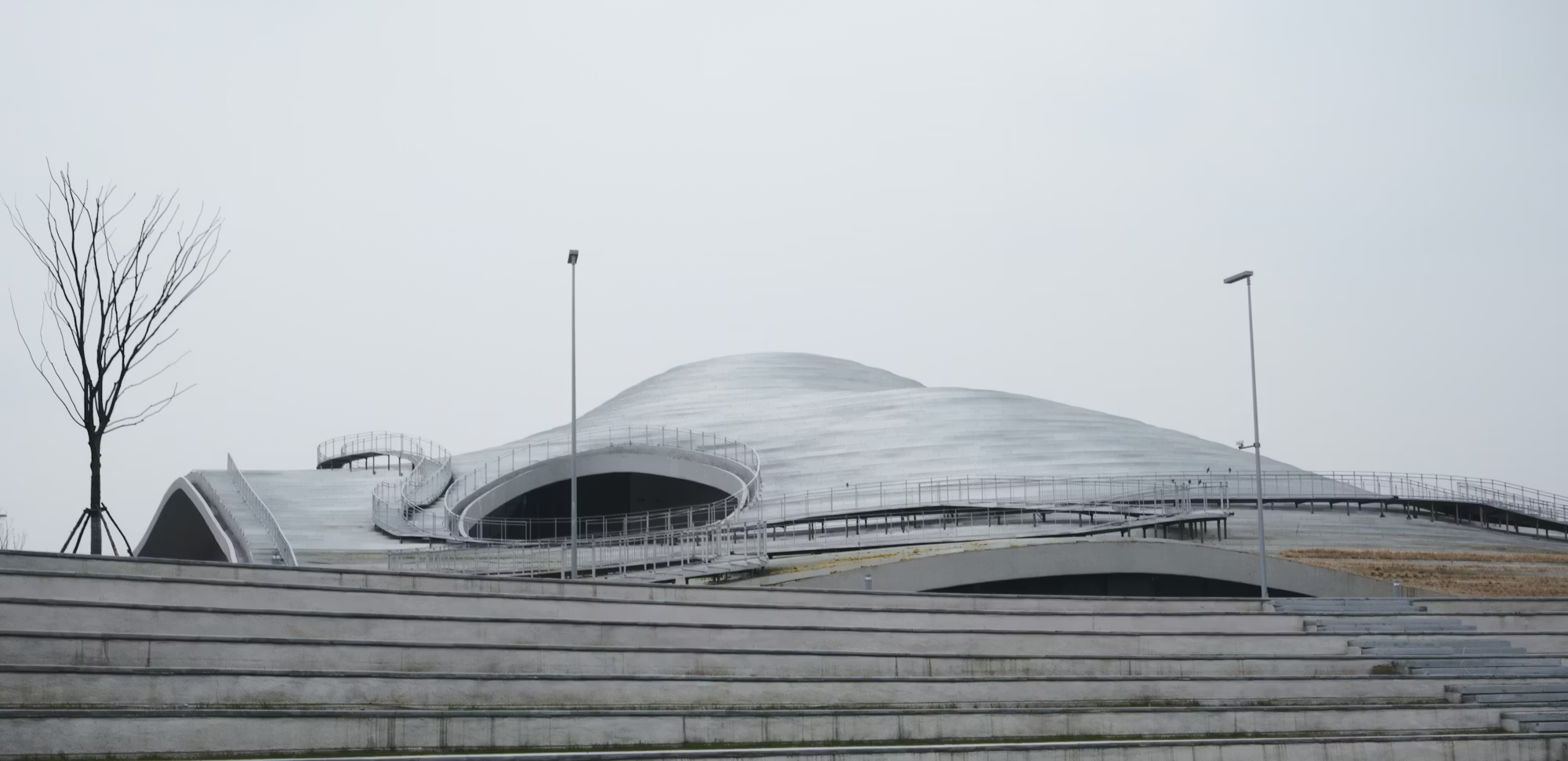
Stadiums as Community Hubs: The Role of Sports Venues in Local Development

Sports stadiums are often seen as mere facilities for athletic events, but their impact on local communities extends far beyond the games played within their walls. These venues serve as important social, economic, and cultural hubs, playing a crucial role in community development. By examining the various ways in which stadiums contribute to their surroundings, we can better understand their significance in modern society. One of the most notable aspects of stadiums is their ability to bring people together. On game days, fans gather to support their teams, creating a sense of camaraderie and belonging. This communal spirit fosters social connections that extend beyond the stadium itself, as friendships are formed, families bond over shared experiences, and local pride is celebrated. Events hosted in these venues often attract diverse groups, uniting people from different backgrounds and walks of life. This interaction is essential for building a strong community identity, as it encourages inclusivity and understanding among residents. Beyond sports, many stadiums are designed to host a variety of events, such as concerts, festivals, and community gatherings. This versatility allows them to serve as multi-functional spaces that cater to various interests and demographics. For instance, the United Center in Chicago not only serves as home to the Chicago Bulls and Blackhawks but also hosts major concerts and events throughout the year, making it a vital part of the city’s cultural fabric. By providing a venue for diverse activities, stadiums help create a vibrant community atmosphere that enriches local life. The economic impact of sports stadiums cannot be overstated. They act as significant drivers of economic growth within their regions. The construction of a new stadium often leads to job creation, providing opportunities for local workers in various sectors, including construction, hospitality, and retail. Furthermore, once operational, these venues generate ongoing employment opportunities, from event staff to management positions. The influx of visitors during game days and events boosts local businesses, as fans spend money on hotels, restaurants, and shops. Cities often experience a surge in tourism as well, with stadiums drawing visitors from outside the area. This economic activity contributes to the overall prosperity of the community and can lead to further investment and development in the surrounding area. Local governments often recognize the importance of stadiums as economic engines and invest in infrastructure improvements to support them. These investments can enhance public transportation options, improve road access, and create pedestrian-friendly environments, all of which contribute to a thriving community. In addition to their economic contributions, stadiums play a significant role in shaping cultural identity. They serve as symbols of pride and heritage for local communities, representing the spirit and history of their regions. Iconic venues, such as Fenway Park in Boston and Wrigley Field in Chicago, are not only beloved by fans but also cherished landmarks that embody the unique character of their cities. These stadiums often host events that celebrate local culture, traditions, and values, reinforcing their significance as community focal points. Engaging with local residents during the planning and development stages of a stadium can further enhance its cultural impact. By incorporating community input, stadium designs can reflect the values and aspirations of the area they serve. This collaborative approach helps build a sense of ownership among residents and fosters pride in the venue. Many stadiums now include spaces for local art, exhibitions, and historical displays, allowing them to serve as platforms for showcasing the community’s heritage and creativity. Furthermore, the relationship between stadiums and their communities is evolving, with many venues actively seeking to give back. Initiatives such as youth sports programs, educational workshops, and charity events allow stadiums to engage with local residents in meaningful ways. These outreach efforts not only promote sports and healthy living but also strengthen the bonds between the venue and the community. By fostering a sense of responsibility, stadiums can become integral partners in local development efforts. Safety and accessibility are also key considerations in modern stadium design. As communities become more diverse, ensuring that all residents can enjoy events is essential. Stadiums are increasingly incorporating features that enhance accessibility, such as designated seating, improved signage, and assistive technologies. These enhancements ensure that everyone, regardless of their abilities, can participate in the vibrant life of the venue. The integration of sustainable practices within stadiums further illustrates their commitment to community well-being. Many modern stadiums prioritize environmentally friendly designs, utilizing renewable energy sources, efficient waste management systems, and green building materials. By promoting sustainability, stadiums demonstrate their dedication to preserving the environment for future generations, which resonates with community members who value ecological responsibility. As we look to the future, the role of sports stadiums as community hubs will likely continue to evolve. Emerging technologies and trends will shape how these venues operate and engage with their surroundings. The rise of digital platforms and social media is already changing how fans interact with their teams and venues, creating new opportunities for engagement and connection. By embracing these changes, stadiums can further enhance their role in community development. In conclusion, sports stadiums are much more than just places to watch games; they are vital community hubs that contribute to social cohesion, economic growth, and cultural identity. Through their ability to bring people together, support local economies, and foster a sense of pride, these venues play an essential role in shaping the fabric of their communities. As stadiums continue to adapt and grow, their significance will only deepen, ensuring that they remain important pillars of local life for years to come.