Team Sports: A Catalyst for Personal Growth and Community Connection
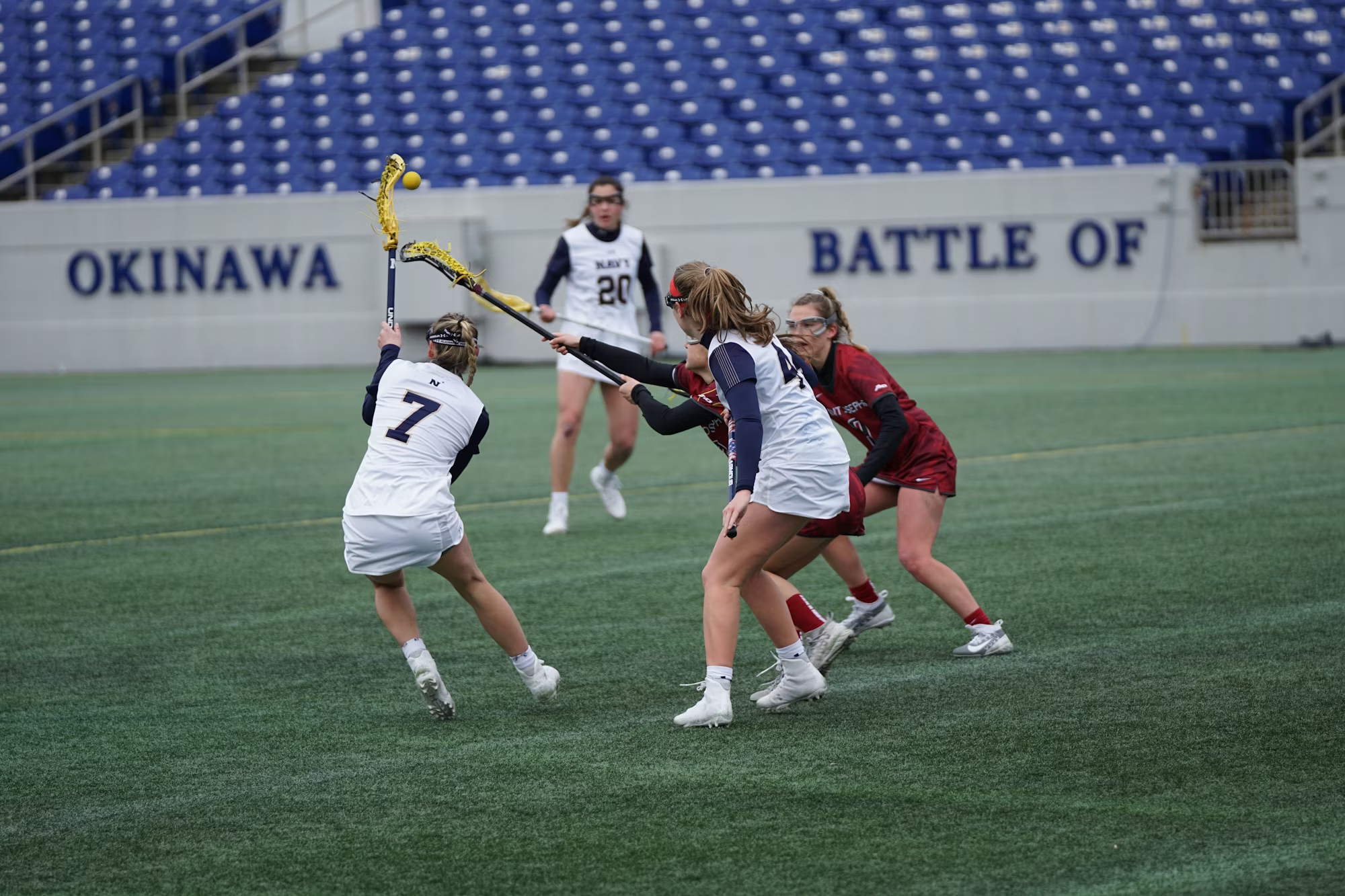
Team sports are not just about competition; they serve as a powerful platform for personal growth and community connection. Whether through soccer, basketball, or volleyball, the experience of participating in a team fosters relationships, builds essential life skills, and promotes a sense of belonging. This article delves into the various ways team sports impact individuals and communities, highlighting their significance in our lives.
The Foundation of Team Sports
At their essence, team sports revolve around collaboration and shared objectives. Players come together to form a cohesive unit, united by the goal of achieving success as a team. This collaboration teaches individuals the importance of working together, relying on each other’s strengths, and supporting one another through challenges. The environment created by team sports encourages open communication and fosters camaraderie, as players learn to express their thoughts, share strategies, and build trust.
Team sports also provide a unique avenue for personal development. Through regular practices and competitive games, athletes cultivate discipline, resilience, and leadership skills. These attributes are not only vital on the field but also translate into everyday life, equipping individuals with the tools needed to face various challenges outside of sports. The journey from practice to competition teaches valuable lessons about commitment and perseverance, making team sports an enriching experience.
Diversity in Team Sports
Team sports encompass a wide range of activities, each offering distinct experiences and benefits. Here are some notable examples:
1. Soccer: Known as football in many parts of the world, soccer is the most popular team sport globally. It features two teams of eleven players, each working to score goals by maneuvering the ball into the opponent’s net. The game emphasizes teamwork, communication, and strategic thinking, making it an excellent way to develop coordination and social skills.
2. Basketball: A fast-paced sport involving two teams of five players, basketball centers around scoring points by shooting a ball through a hoop. It encourages teamwork and quick decision-making, as players must constantly assess their surroundings and collaborate to create scoring opportunities.
3. Volleyball: Played on a court divided by a net, volleyball involves two teams that aim to score points by sending a ball over the net and landing it in the opponent’s area. Effective communication and coordination are key, as players must work together to defend against attacks and set up plays.
4. Baseball: A classic American pastime, baseball involves two teams of nine players competing to score runs. The game combines individual skills with team strategy, requiring players to work together while also honing their abilities. Baseball teaches patience, teamwork, and the importance of strategic thinking.
5. Rugby: A physically demanding sport, rugby involves two teams competing to carry or kick a ball to score points. The sport emphasizes physical fitness, teamwork, and respect for opponents, instilling valuable life lessons about perseverance and camaraderie.
These team sports not only provide entertainment but also serve as vital avenues for personal and social development, teaching essential skills in a supportive environment.
The Historical Context of Team Sports
The history of team sports is rich and varied, reflecting the evolution of human interaction and competition. Many of today’s popular team sports have roots that trace back centuries, often originating in ancient cultures that engaged in collective games requiring cooperation and strategy. These early forms of play laid the groundwork for the organized sports we enjoy today.
The 19th century marked a significant turning point in the development of team sports. With the rise of industrialization and urbanization, there was an increased demand for organized leisure activities. This led to the establishment of formal leagues and regulations, transforming casual games into structured competitions. The creation of governing bodies for various sports, such as the National Football League (NFL) and the International Basketball Federation (FIBA), helped standardize rules and promote the global growth of these activities.
Personal Development Through Team Sports
Engaging in team sports offers numerous benefits that contribute to personal development. Here are some key areas where athletes can grow:
– Communication Skills: Effective communication is essential in team sports. Players learn to articulate their thoughts, share strategies, and provide constructive feedback, enhancing their interpersonal skills. These skills are transferable to many areas of life, including education and the workplace.
– Leadership Qualities: Many team sports provide opportunities for individuals to take on leadership roles, whether as captains or by leading through example. This experience builds confidence and the ability to motivate others, essential traits in both sports and personal endeavors.
– Conflict Resolution: Disagreements may arise during practices or games. Navigating these conflicts teaches athletes how to address issues constructively, promoting teamwork and understanding.
– Resilience: Team sports often involve overcoming obstacles, such as losses or injuries. This resilience fosters a strong work ethic and determination, equipping athletes to face setbacks in other areas of life.
– Time Management: Balancing training, competitions, and other commitments teaches athletes how to manage their time effectively, a crucial skill in today’s fast-paced world.
These skills not only enhance athletic performance but also prepare individuals for a range of challenges they may encounter in life, making team sports an essential component of personal development.
The Cultural Significance of Team Sports
Team sports hold a significant place in many cultures, serving as a source of pride and unity. Local teams often become focal points for communities, fostering connections among residents. The shared experience of supporting a team brings people together, creating bonds that transcend social and economic differences.
Rivalries between teams can also energize communities, igniting passion and excitement among fans. Game days transform into community events, drawing people together to celebrate their teams. This collective identity enhances social cohesion and contributes to a sense of belonging within the community.
The Role of Coaches and Team Management
Coaches are vital to the success of any team. They play a crucial role in developing players’ skills and shaping their attitudes and values. A great coach understands the importance of fostering a positive team environment, where athletes feel supported and encouraged to grow.
Effective coaching requires a blend of knowledge, empathy, and communication. Coaches must adapt their strategies to suit the unique dynamics of their teams, promoting inclusivity and cooperation. By instilling a strong work ethic and accountability, coaches prepare athletes for both competition and life beyond sports.
Emphasizing Sportsmanship
Sportsmanship is a fundamental principle in team sports, emphasizing respect for opponents and adherence to the rules of the game. Good sportsmanship fosters a positive atmosphere, encouraging players to conduct themselves with integrity, whether in victory or defeat. Promoting sportsmanship instills important values such as humility and respect, teaching athletes to appreciate their opponents and creating a culture of mutual respect both on and off the field.
Addressing unsportsmanlike behavior is crucial for maintaining the integrity of sports and ensuring a positive experience for all involved. By promoting sportsmanship, teams create an environment where all participants can thrive.
Conclusion: The Lasting Impact of Team Sports
In conclusion, team sports are more than just a recreational activity; they are a powerful medium for personal growth, community engagement, and cultural enrichment. By emphasizing collaboration and shared objectives, team sports impart valuable life lessons that resonate far beyond the playing field. As we celebrate the spirit of teamwork, we acknowledge the profound impact that these sports have on our lives, shaping individuals and communities alike. The legacy of team sports will continue to inspire future generations, reinforcing the importance of unity, respect, and collaboration in all aspects of life.