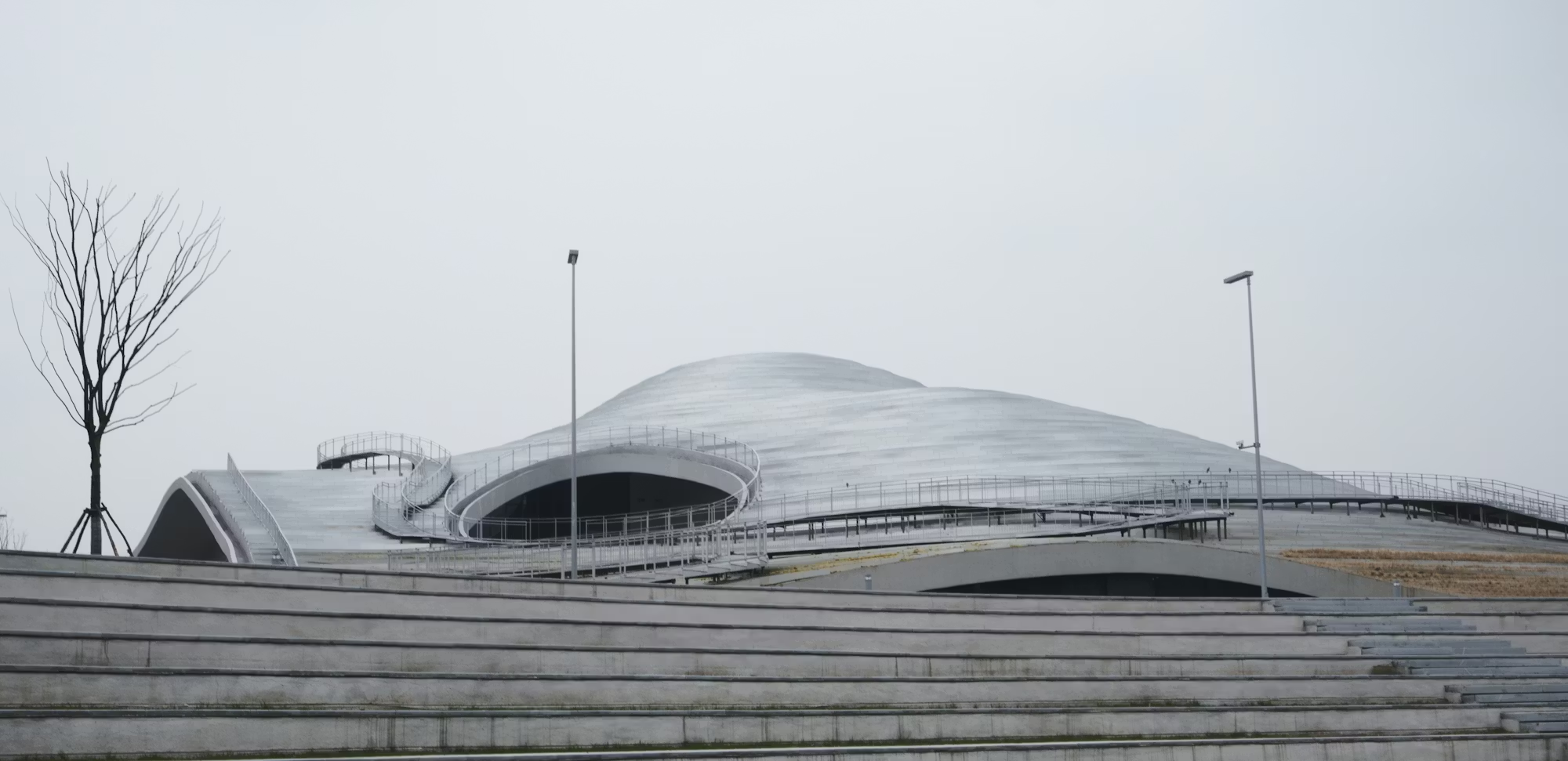
The Architectural Marvels of Modern Sports Stadiums

In the world of sports, stadiums are more than just venues for games; they are architectural masterpieces that embody the spirit of the sport and the culture surrounding it. The evolution of stadium design reflects advances in technology, a deeper understanding of fan experiences, and a commitment to sustainability. This article explores the architectural marvels of modern sports stadiums, highlighting their unique features and the innovations that set them apart. A New Era of Stadium Design The last few decades have seen a remarkable transformation in stadium architecture. Gone are the days of simple, utilitarian structures; today’s stadiums are designed as multi-faceted entertainment hubs that cater to a variety of needs. They are equipped with state-of-the-art technology, luxurious amenities, and environmentally friendly features. This new era of design prioritizes not just the experience of watching a game, but also the overall enjoyment of attending an event. One notable example is the Allianz Arena in Munich, Germany, known for its striking illuminated façade. The stadium features a unique cladding made of inflated ETFE (ethylene tetrafluoroethylene) plastic panels that can change colors, creating a stunning visual spectacle. This innovative design not only serves an aesthetic purpose but also contributes to the stadium’s energy efficiency, allowing natural light to permeate the interior. Sustainable Innovations in Stadium Architecture Sustainability has become a key focus in modern stadium design. Architects and builders are increasingly incorporating eco-friendly practices to reduce the environmental impact of these large structures. Many new stadiums are designed with energy-efficient systems, water conservation measures, and sustainable materials. For instance, the Mercedes-Benz Stadium in Atlanta, Georgia, is a prime example of sustainable design. It features a retractable roof that allows for natural ventilation, reducing the need for air conditioning. Additionally, the stadium has an extensive rainwater harvesting system that collects and reuses rainwater for irrigation and other non-potable uses. Such innovations not only enhance the stadium’s functionality but also reflect a commitment to environmental stewardship. Fan-Centric Design Modern stadiums are increasingly focused on creating an inclusive and engaging experience for fans. This approach goes beyond simply providing comfortable seating; it involves designing spaces that foster social interaction and connection among attendees. The layout of many contemporary stadiums incorporates wide concourses, communal seating areas, and fan zones that encourage fans to gather and enjoy the atmosphere before and after the game. An excellent example of this is the Chase Center in San Francisco, home of the Golden State Warriors. The arena features a vibrant plaza that hosts pre-game festivities, interactive displays, and food vendors, creating a lively environment that engages fans from the moment they arrive. This emphasis on community and interaction enhances the overall experience and makes attending a game feel like a celebration. Technological Integration in Stadium Design Technology plays a crucial role in shaping modern stadiums. The integration of advanced audio-visual systems, high-speed Wi-Fi, and mobile applications has revolutionized the fan experience. Many stadiums now feature massive LED screens that provide real-time game updates, replays, and statistics, ensuring fans never miss a moment of the action. Furthermore, mobile apps are increasingly used to enhance the game day experience, allowing fans to order food, access exclusive content, and engage with interactive features. This seamless integration of technology not only enriches the experience but also provides valuable data to stadium operators, helping them tailor services to meet fan preferences. Iconic Stadiums Around the World While many new stadiums are pushing the boundaries of design, several iconic venues continue to capture the hearts of sports fans. These stadiums are celebrated not just for their historical significance but also for their architectural beauty. The Camp Nou in Barcelona, Spain, is a legendary football stadium that has undergone several renovations over the years. Its grand architecture, combined with its rich history, makes it a beloved landmark. The stadium’s design emphasizes sightlines, ensuring that every seat offers a great view of the pitch, which is crucial for enhancing the spectator experience. Similarly, Fenway Park in Boston, Massachusetts, is a testament to the charm of traditional stadium design. Established in 1912, it has maintained its unique character while incorporating modern amenities. The iconic Green Monster wall, along with the intimate seating arrangement, creates an atmosphere that is both nostalgic and exhilarating, allowing fans to feel closely connected to the action. The Future of Stadium Architecture As we look to the future, the architectural landscape of sports stadiums is poised for further innovation. Emerging technologies such as 3D printing and modular construction may revolutionize how stadiums are built, allowing for greater customization and efficiency. Additionally, the emphasis on sustainability is likely to intensify, with more stadiums incorporating green roofs, solar panels, and energy-efficient systems. Moreover, as the sports industry continues to evolve, stadiums will need to adapt to changing fan preferences. The rise of e-sports and virtual experiences may lead to the development of hybrid venues that cater to both live events and digital interactions. This adaptability will be crucial for ensuring the longevity and relevance of sports stadiums in a rapidly changing world. In conclusion, modern sports stadiums are architectural marvels that reflect advancements in design, technology, and sustainability. From iconic venues steeped in history to cutting-edge facilities that prioritize fan engagement, these structures are shaping the future of sports. As architects and teams continue to innovate and push boundaries, the experience of attending a game will undoubtedly evolve, providing fans with unforgettable moments in stunning settings.